
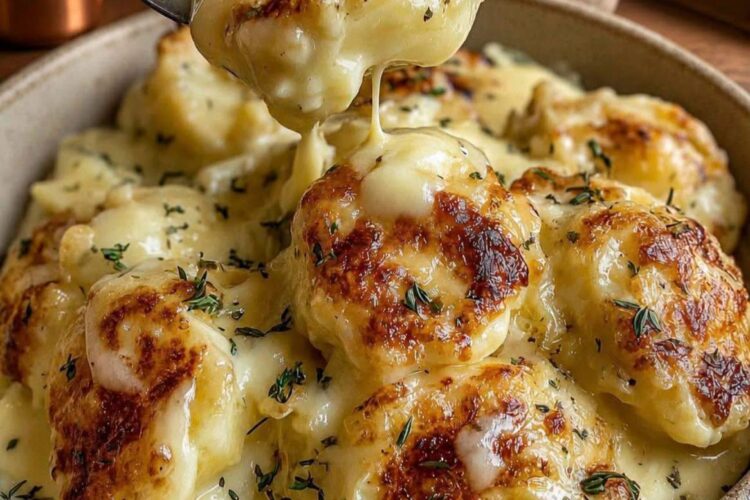
Choosing the Best Cabbage for German Cabbage and Dumplings
Green cabbage is the traditional choice for this comforting German dish, but other varieties can also work beautifully. Each type brings a slightly different flavor, color, and texture.
- Green Cabbage: The classic option. It has a mild, slightly peppery flavor and sturdy leaves that soften while holding their shape during cooking. As it simmers, its natural sweetness becomes more noticeable.
- Savoy Cabbage: A wonderful choice if you prefer a more delicate texture. Its crinkled leaves cook faster than regular green cabbage, so reduce the cooking time and check for tenderness frequently.
- Red Cabbage: For a colorful variation, try red cabbage. It has a slightly stronger flavor and creates a beautiful purple dish. Keep in mind that its color may transfer to the dumplings, giving them a pinkish appearance.
For the most traditional result, stick with green cabbage. If you enjoy experimenting, Savoy cabbage is an excellent alternative.
Step-by-Step Tips for Perfect Texture
The Golden Rule: Brown the Onions First
One of the most important steps in making flavorful German cabbage and dumplings is cooking the onions before adding the cabbage.
Start by melting butter in a large skillet or Dutch oven over medium heat. Add the chopped onions and cook until they become soft and golden brown. This develops a deeper, sweeter flavor and creates browned bits on the bottom of the pan.
Next, add the sliced cabbage and stir well, allowing it to pick up those delicious browned flavors. Add your cooking liquid and seasonings, then let everything simmer until the cabbage becomes tender.
Avoid rushing this step. Properly browned onions give the finished dish a richer, more savory taste.
Getting the Dumpling Dough Consistency Right
Dumpling dough should be thick, soft, and slightly sticky. It should hold together when scooped but remain moist enough to produce tender dumplings.
If the dough is too thin, the dumplings may fall apart during cooking. If it’s too dry, they can turn out dense and heavy.
Keep these tips in mind:
- Too wet? Add a little flour at a time until the dough becomes thick enough to hold its shape.
- Too dry? Add a small amount of liquid gradually until the dough becomes soft and workable.
- Avoid overmixing: Mix just until the ingredients come together to help keep the dumplings tender.
- Test before cooking the whole batch: Drop one small dumpling into gently simmering water. If it holds together, the dough is ready. If it falls apart, adjust the consistency before continuing.
The water should simmer gently rather than boil aggressively. Strong boiling can break delicate dumplings apart.
What to Serve with German Cabbage and Dumplings
German Cabbage and Dumplings is hearty enough to enjoy as a vegetarian main course, but it also makes a wonderful side dish alongside meat and other traditional favorites.
Here are some delicious serving ideas:
- Grilled German Sausages: Bratwurst and Knockwurst pair naturally with buttery cabbage and soft dumplings. Their savory, smoky flavors make a satisfying combination.
- Juicy Pork Chops: Pan-seared or roasted pork chops complement the sweetness of the cooked cabbage. A small splash of vinegar in the cabbage can add a pleasant tang.
- Roasted Chicken: Serve the cabbage and dumplings alongside roasted or rotisserie chicken for an easy, comforting family dinner.
- Applesauce: A small serving of chilled, slightly tart applesauce provides a refreshing contrast to the rich, savory flavors.
- German Cucumber Salad: A crisp cucumber salad with vinegar and fresh dill adds brightness and balances the buttery dumplings.