
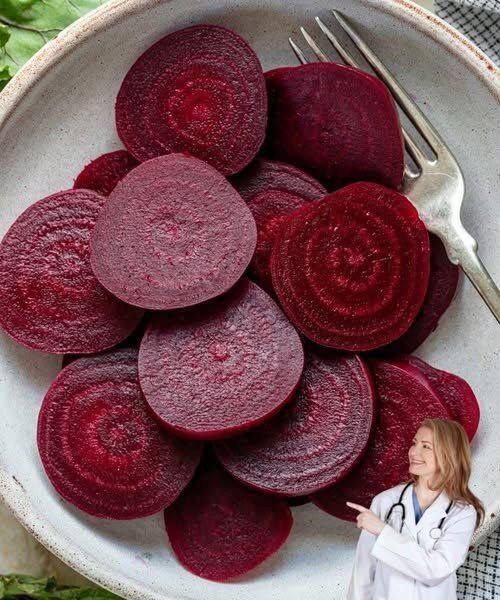
Beets have gained a reputation as a “superfood,” but how much of that praise is backed by real science—and how much is just hype? Let’s strip away the marketing and look at what research actually shows about beets, their benefits, and their limitations.
7 Science-Backed Health Benefits of Beets
1. May Help Lower Blood Pressure
How it works:
Beets are naturally rich in dietary nitrates. Inside the body, nitrates are converted into nitric oxide, a compound that relaxes blood vessels and improves blood flow.
What research shows:
Clinical studies have demonstrated that drinking beet juice can reduce systolic blood pressure by several points within a few hours of consumption.
✅ Best for:
People with mildly elevated blood pressure, as a supportive dietary choice—not a replacement for prescribed medication.
2. Can Improve Athletic Performance
How it works:
Nitric oxide enhances oxygen efficiency in muscles, allowing them to work harder with less energy.
What research shows:
Studies involving cyclists, runners, swimmers, and even older adults show improved endurance and performance after consuming beets or beet juice.
✅ Best timing:
Consume beets or beet juice about 2–3 hours before exercise for optimal effects.
3. Supports Brain Function
How it works:
Improved blood flow from nitric oxide also benefits the brain, particularly areas involved in focus, memory, and decision-making.
What research shows:
Older adults consuming beet juice demonstrated brain activity patterns closer to those of younger adults during cognitive tasks.
4. Helps Reduce Inflammation and Oxidative Stress
How it works:
Beets contain betalains—powerful antioxidants responsible for their deep red color.
What research shows:
Betalains are linked to reduced markers of chronic inflammation associated with conditions like heart disease, arthritis, and metabolic disorders.
✅ Tip:
Raw, lightly roasted, or juiced beets preserve more antioxidants than heavily cooked ones.
5. Promotes Digestive and Gut Health
How it works:
A single cup of beets provides over 3 grams of fiber, which feeds beneficial gut bacteria.
Why it matters:
A healthy gut microbiome supports digestion, immunity, blood sugar regulation, and even mental health.
6. Supports the Body’s Natural Detox Systems
How it works:
Betalains help activate liver enzymes involved in breaking down and removing waste products.
What research shows:
Animal studies show improved liver function, though human research is still emerging.
✅ Reality check:
Beets support your body’s built-in detox systems—they don’t “cleanse” toxins overnight.
7. Rich in Essential Nutrients
Beets provide several key micronutrients, including:
- Folate (Vitamin B9): Supports cell growth and heart health
- Manganese: Important for metabolism and bone health
- Potassium: Helps regulate blood pressure
- Iron: Supports oxygen transport in the blood
What Beets Don’t Do (Common Myths)
| Claim | The Reality |
|---|---|
| “Cure cancer” | Lab studies show promise, but no human evidence of a cure |
| “Burn fat instantly” | Beets are low-calorie, but juice lacks fiber and can raise blood sugar |
| “Flush kidneys” | They support kidney health but don’t literally flush toxins |
| “Guarantee glowing skin” | Skin health depends on overall lifestyle, not one food |
Important Things to Keep in Mind
- Beeturia: Pink or red urine/stool can occur and is harmless
- Kidney stones: Beets are high in oxalates—moderation is key if you’re prone
- Low blood pressure: Daily beet juice may lower BP further—consult a doctor
- Medication interactions: Beets may enhance blood-pressure or circulation-related medications
How to Eat Beets for Maximum Benefits
- Raw: Grated into salads or blended into smoothies
- Roasted: Toss with olive oil and herbs at 400°F (200°C) for 35–45 minutes
- Juiced: Combine with apple, ginger, or lemon for balanced flavor
- Pickled: Adds probiotics, but watch sodium levels
- Soups: Traditional beet soups like borscht are nutrient-dense
💡 Pro tip: Pair beets with vitamin C–rich foods (like citrus or peppers) to improve nitrate absorption.
Final Thoughts: A Simple Root with Powerful Benefits
Beets aren’t a miracle cure—but they are one of the most effective, affordable, and nutrient-dense foods you can add to your diet. Their benefits for heart health, brain function, exercise performance, and digestion are backed by real science.
You don’t need expensive powders, detox programs, or daily juice shots. Just eat real beets—roasted, blended, raw, or pickled.
True wellness isn’t about chasing trends. It’s about consistently choosing whole, nutrient-rich foods—and beets quietly do that job very well.