
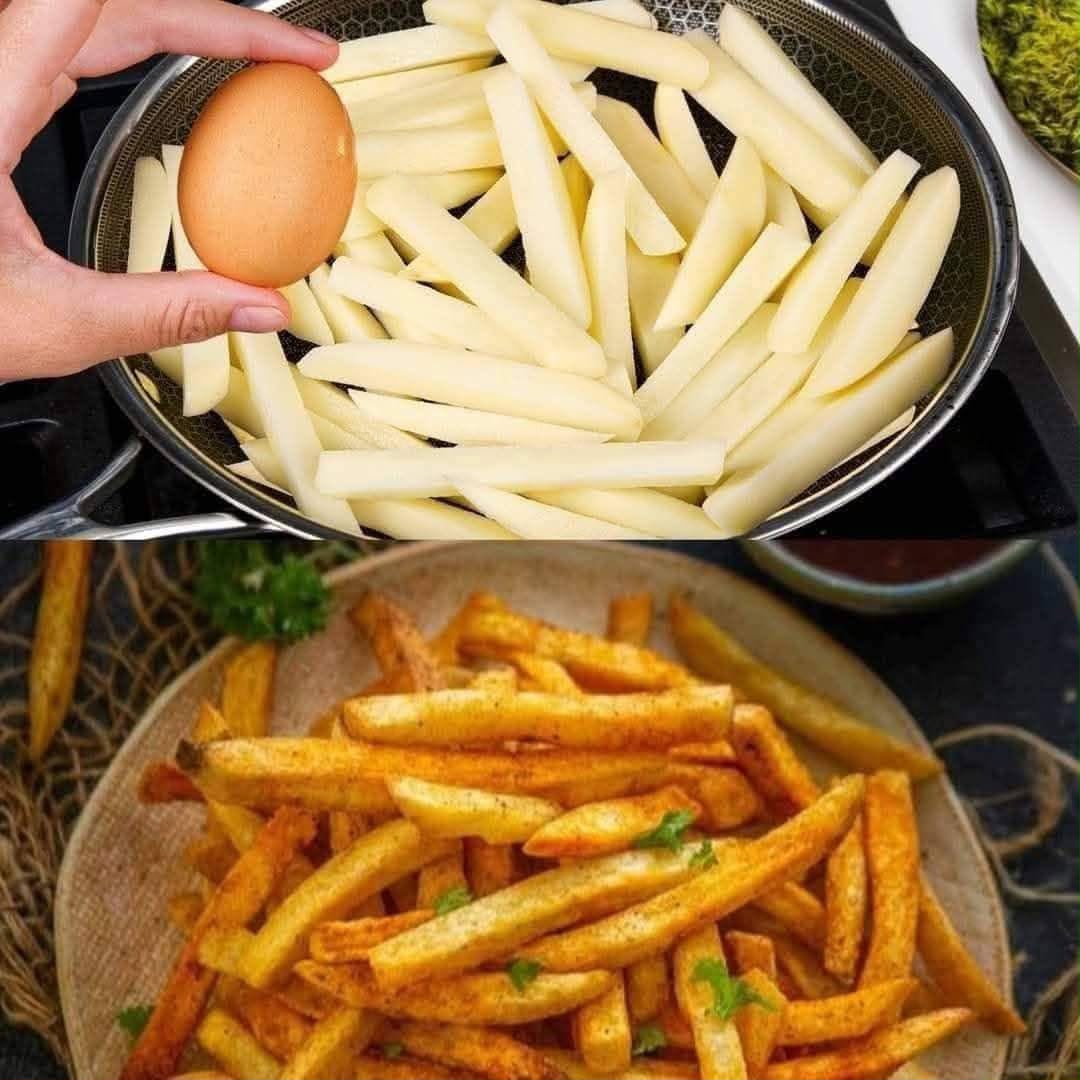
Nothing beats a batch of hot, golden, crispy homemade French fries! Made with just four basic ingredients—russet potatoes, vegetable oil, cold water, and salt—these classic fries are crunchy on the outside and soft and fluffy on the inside.
The secret to achieving restaurant-style French fries at home is a simple double-frying technique. First, the potatoes are fried at a lower temperature to soften the centers. Then, they’re fried again at a higher temperature to develop that irresistible golden, crispy exterior.
These homemade fries are perfect for burgers, sandwiches, grilled chicken, or your favorite dipping sauces. You can also customize them with garlic powder, paprika, Parmesan cheese, black pepper, or fresh parsley for extra flavor.
Whether you’re preparing a quick snack, a family dinner side dish, or a game-day treat, this easy French fries recipe delivers delicious results with simple ingredients.
Who Is This Recipe For?
This recipe is perfect for potato lovers, beginner cooks, families, and anyone who wants to make crispy fries without visiting a restaurant. It’s also a great choice for weekend snacks, homemade burgers, barbecue meals, and casual gatherings.
If you enjoy fries with a crunchy exterior and a tender center, this double-fried method is worth trying.
Why You’ll Love This Recipe
- Crispy outside, fluffy inside: Double frying helps create the perfect texture.
- Simple ingredients: You only need potatoes, oil, water, and salt.
- Easy to customize: Add your favorite herbs, spices, or grated Parmesan.
- Restaurant-style results: The two-stage frying method gives the fries a beautiful golden finish.
- Perfect for sharing: Serve them as a side dish or a snack with your favorite dips.
- Naturally vegan and gluten-free: The basic recipe contains no animal products or gluten-containing ingredients, provided your oil and seasonings are suitable.
Ingredients
- 4 large russet potatoes: Their high starch content makes them ideal for crispy fries with fluffy centers.
- Cold water: Helps remove excess surface starch before frying.
- Vegetable oil, for frying: Choose a neutral oil suitable for high-temperature frying, such as canola or sunflower oil.
- Salt, to taste: Season the fries immediately after frying so the salt sticks.
Optional Seasonings
- Garlic powder
- Paprika
- Black pepper
- Grated Parmesan cheese
- Chopped fresh parsley
Kitchen Equipment Needed
- Vegetable peeler, optional
- Sharp knife or French fry cutter
- Large bowl
- Clean kitchen towels or paper towels
- Deep, heavy-bottomed pot or deep fryer
- Cooking thermometer
- Slotted spoon or frying basket
- Paper towels or a wire rack for draining
How to Make Crispy Homemade French Fries
Step 1: Peel and Cut the Potatoes
Wash the russet potatoes thoroughly. Peel them if desired, or leave the skins on for a more rustic texture.
Cut the potatoes into evenly sized sticks approximately ¼ inch thick. Keeping the pieces similar in size helps them cook evenly.
Step 2: Soak the Potatoes
Place the cut potatoes in a large bowl and cover them with cold water. Let them soak for at least 30 minutes, or up to a few hours in the refrigerator.
This step removes excess surface starch, helping the fries become less sticky and crispier during frying.
Step 3: Dry the Potatoes Thoroughly
Drain the potatoes and pat them completely dry with clean kitchen towels or paper towels.
This is an important step because water can cause hot oil to splatter dangerously. Make sure the potatoes are as dry as possible before placing them in the oil.
Step 4: Heat the Oil for the First Fry
Pour vegetable oil into a deep, heavy-bottomed pot, making sure it is not more than halfway full. Heat the oil to 325°F (160°C), checking the temperature with a cooking thermometer.
Carefully lower a small batch of potatoes into the oil using a slotted spoon or frying basket. Avoid overcrowding the pot, as adding too many potatoes at once can lower the oil temperature.
Step 5: Fry the Potatoes Until Tender
Fry the potatoes for approximately 3–4 minutes, depending on their thickness. They should soften but remain pale rather than turning golden brown.
Remove them carefully and place them on a wire rack or paper towels to drain. Repeat with the remaining batches, allowing the oil to return to the target temperature between batches.
Let the fries rest for several minutes while you prepare for the second fry.
Step 6: Increase the Oil Temperature
Increase the oil temperature to 375°F (190°C).
Once the oil reaches the correct temperature, carefully return the potatoes to the pot in small batches. Keep the pot from becoming overcrowded so the fries can crisp evenly.
Step 7: Fry Until Golden and Crispy
Fry the potatoes for another 2–3 minutes, or until they’re golden brown and crisp on the outside. The exact time will depend on the size of the fries and how much they cooked during the first fry.
Remove them with a slotted spoon and drain on a wire rack or paper towels.
Step 8: Season and Serve
While the fries are still hot, sprinkle them with salt to taste. Add garlic powder, paprika, or black pepper if desired.
For a flavorful finishing touch, toss the fries with grated Parmesan and chopped parsley.
Serve immediately while they’re hot and crispy.
Tips for the Crispiest French Fries
- Choose russet potatoes: Their starchy texture works especially well for classic French fries.
- Cut evenly: Uniform pieces cook at approximately the same rate.
- Don’t skip soaking: Soaking helps remove excess surface starch.
- Dry completely: Wet potatoes can cause dangerous oil splattering and prevent good browning.
- Use a thermometer: Maintaining the correct oil temperature helps prevent greasy or unevenly cooked fries.
- Fry in small batches: Too many potatoes at once can cool the oil and make the fries soggy.
- Season immediately: Salt and other seasonings adhere better while the fries are hot.
- Serve right away: Homemade fries are at their best immediately after frying.
Best Dipping Sauces for Homemade French Fries
These crispy fries pair well with a variety of sauces and dips:
- Classic ketchup
- Garlic mayonnaise or aioli
- Ranch dressing
- Barbecue sauce
- Honey mustard
- Spicy mayo
- Cheese sauce
For a classic diner-style meal, serve them alongside cheeseburgers, chicken sandwiches, or grilled hot dogs.
Variations to Try
Garlic Parmesan Fries
Toss freshly fried fries with grated Parmesan, garlic powder, and chopped parsley. Add the cheese while the fries are hot so it sticks to the surface.
Spicy Paprika Fries
Combine paprika, black pepper, garlic powder, and a small pinch of cayenne pepper. Sprinkle the mixture over the hot fries and toss well.
Herb Fries
Add chopped parsley and your favorite dried herbs for a fresh, savory finish.
Skin-On French Fries
Skip peeling the potatoes and scrub the skins well before cutting. The result is a rustic fry with extra texture.
Wedge-Style Fries
Cut the potatoes into thicker wedges instead of thin sticks. They may need longer cooking times during both frying stages, so check that they’re tender inside and crisp outside.
Storage and Reheating
Refrigeration: Allow leftover fries to cool, then refrigerate them in an airtight container within 2 hours. For the best quality, use them within 3–4 days.
Reheating in the oven: Spread the fries in a single layer on a baking sheet and heat at 400°F (205°C) until hot and crisp, usually around 5–10 minutes depending on their thickness.
Reheating in an air fryer: Heat at approximately 375°F (190°C) for 3–6 minutes, shaking the basket halfway through.
Freezing: For the best texture, it’s better to freeze potatoes after the first fry rather than freezing fully cooked leftovers. Cool them quickly, freeze in a single layer, then transfer them to a freezer-safe bag. Fry from frozen at the second-fry temperature, working in small batches and allowing for a longer cooking time.
Never add ice or frozen clumps of potatoes to hot oil, and follow safe food-handling practices when cooling and storing cooked fries.
Frequently Asked Questions
Why should I double-fry French fries?
The first fry cooks and softens the potato inside. The second fry at a higher temperature develops a crisp, golden exterior. This technique helps create the classic contrast between crunchy outsides and fluffy centers.
Do I have to soak the potatoes for 30 minutes?
Thirty minutes is a useful minimum. If you have extra time, you can soak them longer in the refrigerator. Always drain and dry them thoroughly before frying.
Can I use a different type of potato?
Yes, but the texture may vary. Russet potatoes are ideal because they’re starchy and tend to produce fluffy centers. Waxy potatoes may result in a firmer, less fluffy texture.
Why did my fries turn out soggy?
Common reasons include insufficient drying, overcrowding the pot, oil that is too cool, or leaving the fries piled together after frying. Dry the potatoes well, fry in small batches, and drain them in a single layer.
Can I prepare the potatoes ahead of time?
Yes. You can cut and soak the potatoes ahead of time and keep them covered in cold water in the refrigerator for several hours. Drain and dry thoroughly immediately before frying.
What oil is best for frying French fries?
Neutral oils with a high smoke point, such as canola or sunflower oil, are good choices. Use fresh oil and avoid overheating it.
How do I know when the fries are done?
After the second fry, they should be golden brown, crisp on the outside, and tender inside. Taste one after allowing it to cool slightly to check the texture.
Conclusion
These Crispy Homemade French Fries are a simple and satisfying way to enjoy a restaurant favorite at home. With russet potatoes, a little preparation, and the double-frying method, you can make fries that are golden and crunchy outside while remaining soft and fluffy inside.